

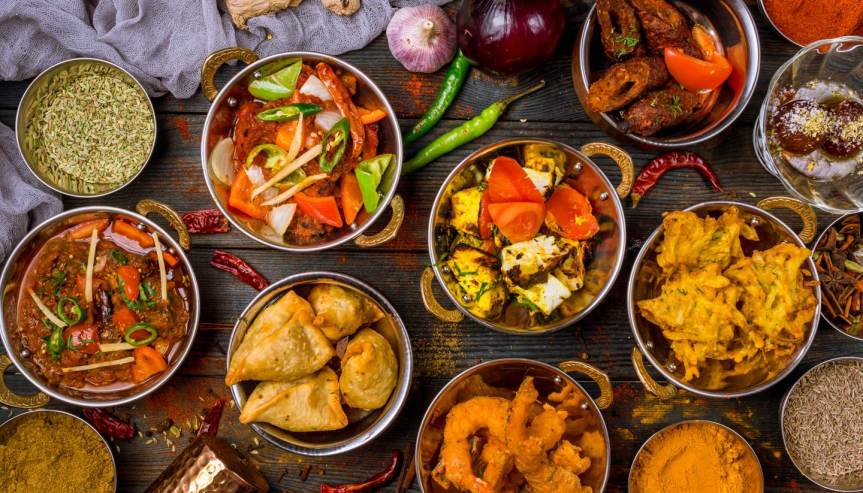
Food, an elemental part of life, goes far beyond the basic act of eating. It is a profound expression of culture, an evolving science, and a deeply personal experience that shapes who we are and how we relate to the world around us. This article aims to explore the many dimensions of food — from its cultural roots and scientific foundations to its emotional resonance and the innovations transforming our future.
The Cultural Essence of Food: Tradition and Identity
At its heart, food is a mirror reflecting the identity of societies. Every dish carries within it the history, geography, and values of the people who create and cherish it. Culinary traditions often serve as vessels for storytelling, preserving the legacy of ancestors through recipes handed down across generations.
-
Cultural Significance: Regional ingredients, unique cooking methods, and signature flavors mark distinct cuisines that tell stories of migration, conquest, trade, and celebration.
-
Rituals and Festivals: Food punctuates cultural calendars, playing a central role in holidays, religious observances, and family gatherings. Whether it’s the rich feast of Eid, the communal sharing of bread in Mediterranean cultures, or the meticulous tea ceremonies of East Asia, food fosters connection and continuity.
-
Fusion and Evolution: As societies interact, culinary traditions blend, giving rise to fusion cuisines that reflect modern multiculturalism while honoring ancestral roots.
This cultural depth imbues food with a significance far beyond its nutritional content. It is a form of heritage, a source of pride, and a unifier across generations.
Food Through the Lens of Science: Chemistry Meets Creativity
The preparation and enjoyment of food is an intricate interplay of art and science. Every technique, ingredient, and flavor combination is underpinned by biological and chemical principles that influence texture, aroma, and taste.
-
Chemical Reactions: The Maillard reaction, caramelization, and fermentation illustrate how heat and microorganisms transform raw ingredients into complex culinary experiences.
-
Nutritional Science: Understanding macro- and micronutrients enables balanced diets that promote health and longevity. Science guides the development of fortified foods, dietary supplements, and allergen management.
-
Innovative Techniques: Molecular gastronomy and sous-vide cooking are modern examples of how chefs harness scientific knowledge to craft novel sensory experiences.
Through this scientific framework, food transcends mere sustenance and becomes a playground for innovation and mastery, blending precision with creativity.
Emotional and Psychological Dimensions: Food as Comfort and Connection
Food resonates deeply with human emotion. Beyond providing physical fuel, it often satisfies psychological and social needs.
-
Comfort and Memory: Certain tastes and smells evoke vivid memories and emotional warmth. A homemade meal can conjure feelings of safety, love, and belonging.
-
Social Bonding: Shared meals are foundational to human relationships. They facilitate communication, build trust, and celebrate milestones.
-
Mindful Eating: The practice of being present during meals encourages appreciation, better digestion, and healthier relationships with food.
This emotional tapestry highlights food’s role as a language of care and connection, often offering solace in times of distress and joy in moments of celebration.
Contemporary Challenges and Innovations in Food Systems
In the 21st century, food production and consumption face unprecedented challenges, but also remarkable opportunities.
Sustainability and Ethical Considerations
-
Industrial agriculture’s environmental impact necessitates sustainable practices such as regenerative farming, reducing food waste, and supporting local producers.
-
Ethical concerns about animal welfare have spurred interest in plant-based diets and lab-grown meats.
Health and Nutrition
-
Growing awareness of diet-related diseases has fueled interest in whole foods, organic produce, and personalized nutrition.
-
Addressing food deserts and inequities in access remains a critical public health goal.
Technological Advancements
-
Innovations such as vertical farming, AI in agriculture, and biotechnology promise to improve yield and reduce ecological footprint.
-
Digital platforms are transforming how consumers discover, purchase, and share food experiences.
These developments illustrate a dynamic food landscape striving to balance human needs with planetary stewardship.
Food as an Expression of Personal and Social Identity
The choices we make about what to eat communicate values, beliefs, and affiliations. Food intersects with identity on multiple levels:
-
Dietary Preferences: Vegetarianism, veganism, and other dietary practices often stem from ethical, religious, or health motivations.
-
Artisanal and Heritage Foods: A renewed interest in traditional, locally sourced, and craft foods reflects a desire for authenticity and sustainability.
-
Social Settings: Dining etiquette and shared customs reveal cultural norms and social hierarchies.
Through food, individuals and communities articulate who they are, forging bonds within and across cultural divides.
Key Reflections on Food’s Role in Our Lives
-
Food as culture offers a window into human history and communal values.
-
Science enhances our understanding and enjoyment of culinary arts.
-
Emotional ties to food nourish psychological well-being.
-
Modern challenges compel innovation and ethical responsibility.
-
Food serves as a powerful marker of identity and belonging.
Conclusion: Embracing Food’s Rich Complexity
In essence, food is far more than fuel; it is an ever-evolving symbol of human creativity, connection, and care. It invites us to explore history, celebrate diversity, engage science, and nurture both body and soul.
As we navigate the future, honoring the depth and breadth of food’s significance encourages us to eat not only mindfully but also meaningfully. Whether savoring a simple meal or exploring gastronomic frontiers, we participate in an enduring human story—one that feeds life itself in every sense.

