

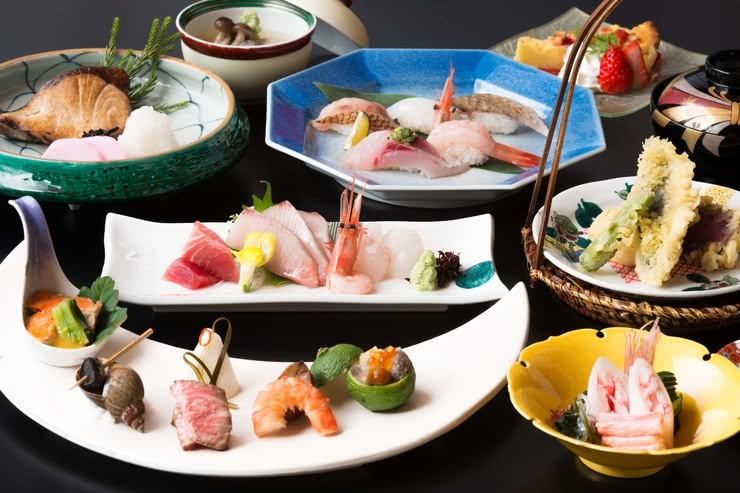
Hamachi kama is one of those cuts that dedicated Japanese seafood diners seek out, yet it remains largely unfamiliar to people who have not spent time exploring the less conventional parts of a Japanese menu. That gap is worth closing. The collar of the yellowtail fish, which is what hamachi kama refers to, is among the most flavourful and well-textured portions of the entire fish, and once you have tried it properly prepared, it is difficult to settle for anything less interesting.
What Makes Hamachi Kama Special
The kama, or collar, sits just behind the gills of the fish and above the pectoral fin. It is a section that works hard during the fish’s life, which means it develops more intramuscular fat than the leaner body fillets. This fat concentration is precisely why the flavour of a well-grilled yellowtail collar is so distinctly rich, savoury, and satisfying in a way that a plain fillet rarely achieves.
When grilled over charcoal or high heat, the exterior develops a lightly charred, slightly crisp crust while the interior remains juicy and tender. The fat renders into the flesh, basting it from the inside throughout the cooking process. The result is a piece of seafood with layers of flavour and texture that emerge with each bite.
The cut also rewards communal dining. It is not a precise portion designed for solitary, measured consumption. It encourages picking, exploring, and finding the different pockets of meat nestled around the bones.
The Yellowtail Collar in Japanese Dining Culture
In Japan, the collar of the yellowtail, or buri kama when referring to adult yellowtail, is a celebrated cut served at izakayas and seafood restaurants. It is often ordered by the regulars who know what to ask for rather than featured prominently on the front page of menus aimed at newcomers.
As Singapore’s food writer KF Seetoh once noted when discussing Japanese seafood culture, “The most interesting things on any menu in Asia are usually the things you have to ask about.” Hamachi kama fits exactly this description. It rewards the curious diner.
The Japanese approach to grilling kama is typically straightforward: salt, heat, and time. The restraint in seasoning is intentional. It allows the natural flavour of the fish to speak clearly rather than competing with marinades or sauces.
Sourcing and Freshness
The quality of hamachi kama is determined almost entirely by freshness and the quality of the fish itself. Yellowtail is a fatty fish that deteriorates noticeably when it is not handled well or stored correctly after catch. When sourced and handled properly, the flavour is clean, oceanic, and rich. When it is not, the fat turns rancid quickly and the eating experience suffers considerably.
This is why sourcing from a reputable supplier makes a meaningful difference for this particular cut. Unlike some seafood that can mask quality issues behind strong sauces or preparations, yellowtail collar from a quality source has nowhere to hide. The quality of the fish is the flavour.
For home cooks in Singapore looking to replicate the izakaya experience, the practical requirements are minimal: a fresh piece of kama from a trusted supplier, a heavy oven grill or a very hot pan, coarse salt, and a wedge of lemon or sudachi to serve alongside.
Preparing Hamachi Kama at Home
The preparation process is genuinely simple, which makes the results even more satisfying.
- Season generously with salt on both sides and allow the fish to rest for at least 15 minutes before cooking. This draws out surface moisture and helps develop the crust.
- Cook skin-side up first under a high grill or in a very hot oven. The goal is to render the fat and char the exterior lightly before the flesh overcooks.
- Flip once and finish skin-side down briefly to crisp the skin if the grill setup allows for it.
- Rest for two minutes before serving. The interior stays hot enough, and the resting period allows the juices to redistribute slightly.
- Serve with grated daikon and a light ponzu dressing, which cuts the richness of the fat beautifully.
A Cut Worth Knowing
Fresh hamachi kama for Japanese seafood dining represents everything that is most satisfying about Japanese food culture: the elevation of an ingredient that requires skill to source and handle but minimal intervention to cook well. It asks the cook to trust the ingredient rather than transform it.
For Singapore diners and home cooks who have not yet explored this particular cut, it is among the most rewarding introductions to the less-travelled parts of Japanese seafood. The flavour of a perfectly grilled yellowtail collar is one of those experiences that recalibrates your sense of what Japanese seafood dining can be at its most honest and satisfying. Hamachi kama earns its place on any serious Japanese seafood table.

