

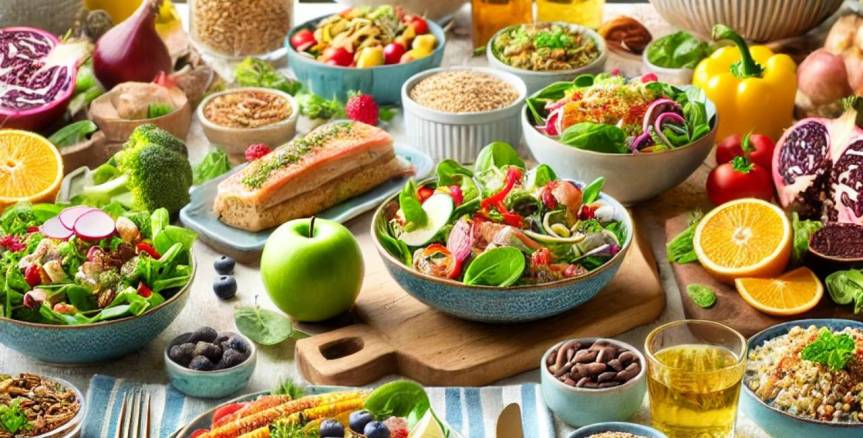
Introduction: Rethinking the Meaning of “Healthy”
Healthy eating is often portrayed through a narrow lens—strict diets, calorie counts, and an overwhelming list of restrictions. But in truth, the act of nourishing the body is a sophisticated balance of knowledge, intuition, and self-respect. At its finest, healthy eating is not about what you remove from your plate, but what you choose to include—flavors, textures, nutrients, and even pleasure.
As the modern world grows noisier with food fads and marketing gimmicks, it becomes increasingly essential to reclaim a more thoughtful, dignified approach to how we fuel ourselves. Healthy eating, when understood as a way of life rather than a temporary project, becomes one of the most empowering habits we can cultivate.
The Foundations of True Nourishment
At its core, healthy eating is built on timeless principles. Though nutrition science evolves, certain truths remain unshaken—balance, moderation, and variety are key to sustaining health.
Essential Components of a Balanced Diet:
-
Whole foods first: Emphasize foods in their natural form—fruits, vegetables, legumes, nuts, seeds, and lean proteins.
-
Complex carbohydrates: Choose fiber-rich sources like oats, brown rice, and sweet potatoes to support energy and digestion.
-
Healthy fats: Incorporate sources such as extra virgin olive oil, avocados, and fatty fish for heart and brain health.
-
Lean protein: Essential for cellular repair, protein should be sourced from fish, poultry, legumes, eggs, and tofu.
-
Hydration: Pure water, herbal teas, and water-rich foods keep systems running smoothly and skin glowing.
What distinguishes a healthy diet is not any single food, but the thoughtful composition of all meals over time.
Eating with Awareness: The Power of Mindfulness
Food is not only a physical necessity—it is an emotional experience, a cultural anchor, and often a social ritual. Healthy eating honors this complexity by encouraging a mindful, present approach to nourishment.
How to Practice Mindful Eating:
-
Slow down: Give yourself time to chew thoroughly and enjoy the textures and aromas of your food.
-
Minimize distractions: Step away from screens and allow meals to become moments of reflection or connection.
-
Recognize hunger cues: Learn the difference between emotional cravings and genuine hunger.
-
Practice gratitude: Acknowledge the effort and energy behind each bite, from soil to table.
When we become more attuned to how and why we eat, our choices naturally become more aligned with wellness.
The Art of Preparation: Healthy Eating Begins in the Kitchen
A significant part of healthy eating lies in what we prepare ourselves. Cooking at home offers unmatched control over ingredients, portions, and cooking methods, allowing one to craft meals that are both nourishing and deeply satisfying.
Keys to Smart, Elegant Meal Preparation:
-
Stock a wholesome pantry: Keep essentials on hand like lentils, quinoa, olive oil, spices, and tinned fish or beans.
-
Cook in batches: Preparing meals ahead reduces the temptation to reach for fast food on busy days.
-
Use fresh herbs and spices: They transform even simple dishes into aromatic, flavor-rich meals without added sodium or sugar.
-
Practice simple elegance: Healthy eating doesn’t require complex recipes. A perfectly roasted vegetable or a fresh salad can be a culinary delight with the right seasoning and care.
Cooking is not just a task—it is a form of self-expression and self-care.
The Emotional Intelligence of Eating
Food and emotion are intimately linked. We celebrate with meals, grieve with comfort food, and form childhood memories around the family table. A healthy relationship with food doesn’t deny these emotional connections—it understands and respects them.
Building Emotional Awareness Around Food:
-
Avoid moralizing food: Labeling food as “good” or “bad” leads to guilt rather than growth.
-
Allow indulgences: Occasionally enjoying rich or sweet foods is not a lapse—it’s part of a balanced life.
-
Recognize patterns: If you find yourself eating from stress, boredom, or sadness, take note without judgment and explore alternative coping tools.
-
Celebrate small wins: Progress in healthy eating is not linear. Honor every step toward better choices, however minor.
Emotional intelligence in eating allows us to enjoy food without fear and to nourish both body and mind.
The Social and Cultural Aspect of Eating Well
Healthy eating isn’t a solitary act—it’s inherently social and deeply rooted in cultural identity. Food connects us to our heritage, our families, and our communities. A refined approach to health doesn’t strip away tradition—it enriches it.
Honoring Culture While Eating Healthfully:
-
Modify traditional dishes: Swap frying for baking, or white rice for whole grains, without compromising flavor.
-
Share meals with intention: Eating with loved ones encourages slower, more mindful consumption.
-
Explore global cuisines: Many cultures have traditional diets rooted in seasonal produce, legumes, grains, and herbs. Mediterranean, Japanese, and Indian cuisines all offer a wealth of inspiration.
-
Cook with family: Engaging children and elders in the kitchen reinforces food knowledge and heritage.
Eating healthfully doesn’t mean giving up identity; it means celebrating it with greater wisdom.
The Role of Indulgence: Balance Over Perfection
A sophisticated approach to wellness always leaves room for joy. Whether it’s a buttery croissant on a Paris morning or a rich pasta shared with friends, indulgence has its place in a well-rounded life.
How to Indulge Wisely:
-
Be selective: Choose quality over quantity. Savoring one square of dark chocolate is more satisfying than mindlessly devouring a full bar.
-
Make it intentional: Don’t eat indulgences as an afterthought. Plate them. Appreciate them.
-
Balance the day: If you enjoyed a decadent dinner, perhaps opt for a lighter breakfast the next day—no punishment, just natural adjustment.
Health is not about rigid rules but about sustainable rhythms.
Conclusion: Nourishment as a Lifestyle
Healthy eating is a lifelong practice—a form of self-respect, not self-denial. It is rooted in balance, guided by knowledge, and refined through experience. When approached with thoughtfulness, elegance, and curiosity, eating well becomes not just a path to physical health, but a daily act of living with intention.
So, let us choose our foods not out of fear, but from a place of reverence—for the body, for tradition, and for the quiet joy of a beautifully prepared meal. In doing so, we nourish more than our cells—we nurture our souls.

