

Introduction: Beyond the Meal
In today’s refined world of dining, the word restaurant has transcended its humble origins. It is no longer defined solely by the preparation and serving of food. A restaurant, at its best, is a confluence of culinary creativity, thoughtful design, impeccable service, and cultural expression. It is a destination, a ritual, a place where people come not just to eat but to feel, connect, and remember. Whether tucked into a quiet corner of a cobblestone street or perched atop a glittering skyscraper, the restaurant serves as both a mirror of society and a stage for human interaction.
A Short History: From Broths to Brasseries
The modern restaurant traces its roots back to 18th-century France, where the word “restaurant” initially described a type of restorative broth served to the weary. These modest beginnings evolved rapidly, especially after the French Revolution, when unemployed chefs began offering refined meals to the public. By the 19th century, restaurants had become not just places for sustenance, but public forums for gathering, discourse, and delight. Over time, global travel, cultural exchange, and economic development expanded the concept across continents, with each region putting its own unique spin on hospitality.
Atmosphere: The Invisible Ingredient
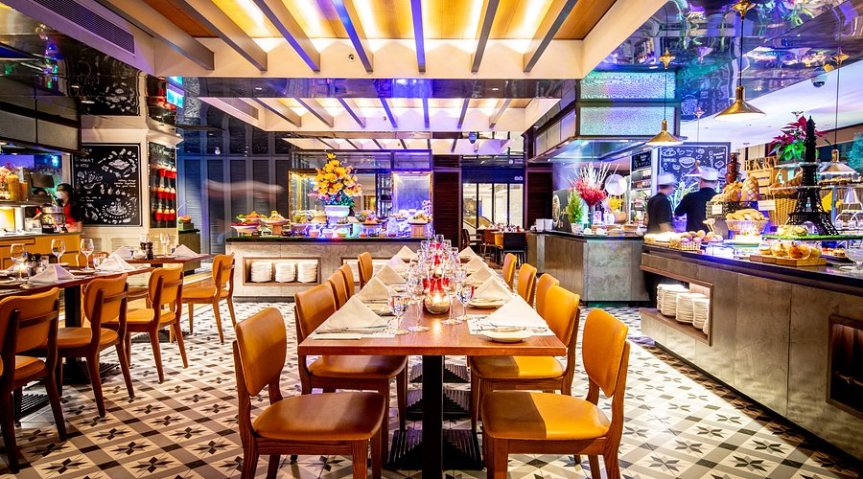
The food may be the star, but the stage must be perfectly set. Ambiance plays an essential role in the dining experience. It envelops guests the moment they walk through the door, often before the first greeting or menu glance. Interior design, lighting, acoustics, and even aroma influence a diner’s mood and perception of flavor.
Key elements of effective ambiance design:
-
Lighting: Soft, warm lights create intimacy, while brighter lighting fosters energy and sociability
-
Acoustics: Controlling sound allows for conversation and comfort, whether through soft music or strategic materials
-
Materials and Textures: Wood, leather, stone, or velvet can all suggest different cultural and emotional tones
-
Spatial Design: Thoughtful layouts ensure privacy, flow, and a welcoming sense of space
Fine dining establishments often aim for elegance and restraint, while casual eateries may embrace bold colors, eclectic furniture, and playful details. In either case, the design must align with the identity of the cuisine and the expectations of the clientele.
The Menu as a Narrative
A restaurant’s menu is not just a list—it is a carefully crafted story. Each dish represents a choice, a vision, and a heritage. Modern chefs often operate as both artists and historians, blending innovation with respect for tradition. Today’s menus reflect more than appetite—they reflect philosophy.
Current trends redefining modern restaurant menus:
-
Local and Seasonal Ingredients: Encouraging sustainability and freshness by highlighting regional produce
-
Global Inspirations: Incorporating spices, techniques, and traditions from around the world into new, hybrid creations
-
Dietary Consciousness: Offering vegan, gluten-free, keto, or allergen-sensitive dishes without sacrificing quality or creativity
-
Tasting Menus: Elevating the dining experience into a curated journey with multiple small courses
What once may have been pages of choices has been distilled in many contemporary establishments into focused, precise offerings—a testament to clarity of purpose and confidence in execution.
Service: The Human Element
If food is the body and ambiance the spirit, then service is the soul of a restaurant. From the host’s initial greeting to the final thank you, service defines the emotional arc of the meal. Great service is seamless, attentive without being intrusive, knowledgeable without being arrogant. It adapts to the diner’s mood and pace, offering recommendations, conversation, or respectful silence.
The foundations of exceptional service include:
-
Empathy and Intuition: Anticipating needs before they are spoken
-
Training and Consistency: Ensuring that every staff member, from sommelier to busser, reflects the restaurant’s values
-
Genuine Hospitality: Creating an atmosphere of welcome, warmth, and respect for all guests
At the highest level, service transforms dining into ceremony. Even in casual contexts, good service is what turns a good meal into a memorable experience.
Technology at the Table
The modern restaurant is not immune to the digital age. Technology has become both a tool for convenience and a medium for deeper engagement. From digital reservations to tableside ordering apps, innovation enhances efficiency and accuracy. But the finest restaurants use technology not to replace, but to enhance the human touch.
Innovative tech tools reshaping the dining experience:
-
Smart Reservations: Real-time availability, special requests, and loyalty integration
-
QR Code Menus: Efficient and hygienic access to up-to-date offerings
-
Digital Feedback Loops: Collecting and responding to reviews with speed and sincerity
-
Kitchen Automation: Monitoring cooking precision, inventory, and waste reduction
The challenge lies in balance—leveraging technology while preserving the warmth and spontaneity that define hospitality.
Cultural Role: A Restaurant as a Reflection of Society
Restaurants are microcosms of culture. They reflect societal values, tastes, and rituals. In cosmopolitan cities, dining out is a way to explore the world’s cuisines without a passport. In rural communities, restaurants often function as social lifelines. Whether high-end or humble, a restaurant becomes a symbol of identity and pride.
They also have the power to challenge and educate. Restaurants led by immigrant chefs, women entrepreneurs, or Indigenous cooks can introduce new narratives, disrupt stereotypes, and open hearts through the universal language of food.
Challenges and Adaptation
Despite their glamour, restaurants face immense pressure. Rising operational costs, shifting labor dynamics, unpredictable supply chains, and the expectations of socially conscious consumers all demand agility and innovation. The COVID-19 pandemic especially exposed the fragility of the industry but also inspired resilience—seen in the rise of ghost kitchens, meal kits, pop-ups, and adaptive outdoor dining.
What Sets a Restaurant Apart
In a saturated market, what makes a restaurant truly exceptional? It’s not merely the location or price point, but the intentionality behind every choice. It is an alchemy of heart, taste, story, and service.
The hallmarks of standout establishments include:
-
Authenticity: Staying true to a concept, culture, or culinary vision
-
Consistency: Delivering quality, every time
-
Creativity: Pushing boundaries while respecting fundamentals
-
Emotional Connection: Leaving guests with not just satisfaction, but memory
Conclusion: The Enduring Allure of the Shared Table
At its essence, a restaurant is a place of gathering. In an increasingly fragmented world, the act of sharing a meal remains one of the most profound gestures of community and humanity. The clink of cutlery, the murmur of conversation, the aroma of spices drifting from the kitchen—these sensory details remind us that food is more than fuel. It is an experience, a dialogue, a joy. Restaurants, in all their forms, continue to serve that timeless role: nourishing not just the body, but the soul.

