

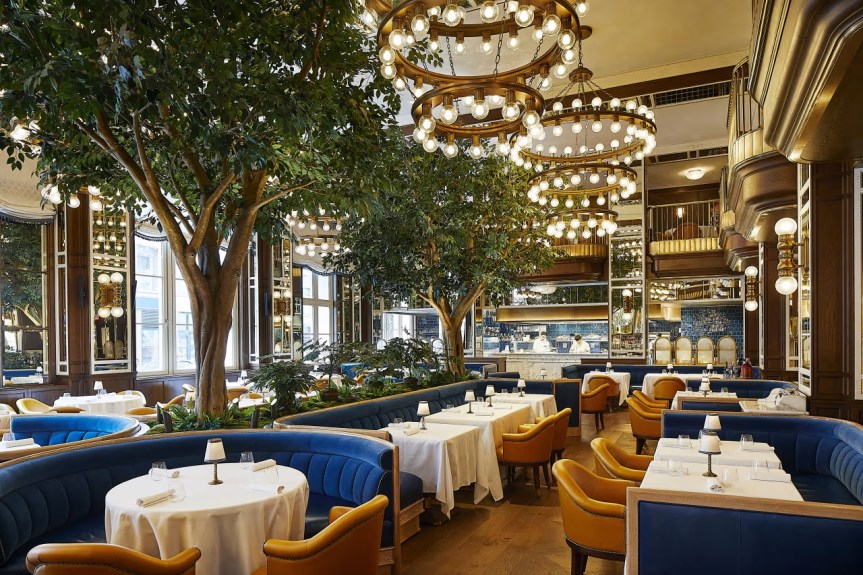
Introduction: The Restaurant as a Reflection of Modern Living
In today’s fast-paced, hyperconnected world, the restaurant has evolved into far more than a venue for eating. It has become a curated environment where cuisine, design, service, and atmosphere merge to create memorable experiences. Dining out is now a form of expression—one that speaks to our values, aesthetics, and even identities. Whether it’s a Michelin-starred tasting room, a bustling street-side café, or a family-run trattoria, the modern restaurant is a canvas for culinary artistry and human connection. Its relevance in our cultural and social lives has grown exponentially, shaping the way we celebrate, communicate, and indulge.
The Evolution of the Restaurant: From Hearth to Haute Cuisine
The roots of the restaurant reach back to ancient Rome and China, where taverns and teahouses served weary travelers. Yet the concept of the modern restaurant emerged in 18th-century Paris. Following the French Revolution, chefs previously employed by nobility began offering their talents to the public. The term “restaurant,” derived from the French word restaurer—to restore—originally referred to restorative broths. These humble origins eventually gave rise to elaborate dining establishments that set the tone for what the global hospitality industry has become.
Over the centuries, restaurants have mirrored societal changes. Industrialization, globalization, urbanization, and technology have all played roles in transforming these spaces. Today, they exist in myriad forms—casual, fine dining, fast-casual, fusion, farm-to-table—all reflecting shifting consumer preferences and cultural landscapes.
Ambience: Creating the Mood Before the Meal
Before a single bite is taken, a restaurant’s ambience has already set the stage. Atmosphere is an intangible yet critical ingredient that shapes the guest’s entire experience. A restaurant’s design, music, lighting, and even the scent of its interiors contribute to its identity.
Elements that influence a restaurant’s ambiance include:
-
Interior Design: Rustic, industrial, minimalist, or ornate—design defines tone and intention
-
Lighting: Soft and warm for intimacy; bright and open for vibrancy and energy
-
Sound: Curated playlists, live music, or deliberate silence enhance emotional responses
-
Layout: Strategic table placement ensures comfort, privacy, and spatial flow
Ambience must align with the restaurant’s culinary ethos. A fine French bistro demands elegant lighting and crisp linen, while a modern sushi bar might emphasize clean lines and serene minimalism.
The Menu as Storytelling
A restaurant’s menu is not just a roster of dishes; it is a narrative. Every ingredient, pairing, and preparation technique contributes to a story being told—about a region, a tradition, or a chef’s personal journey. The most memorable menus exhibit clarity, coherence, and a sense of purpose.
Key characteristics of a compelling modern menu:
-
Seasonality: Ingredients that reflect the time of year offer freshness and variety
-
Local Sourcing: Showcasing regional farms, fisheries, and artisans builds community and trust
-
Innovation: Creative reinterpretations of traditional dishes or novel ingredient pairings stand out
-
Accessibility: Thoughtful accommodation of dietary restrictions without compromising quality
Some restaurants now focus on prix fixe or tasting menus, designed to guide guests through a curated culinary experience. Others embrace simplicity and authenticity, offering familiar favorites done with precision and heart.
Service: The Soul of Hospitality
Excellent service is invisible yet unforgettable. It’s the art of making guests feel not just attended to, but truly welcomed. In the world’s best restaurants, service is an elegant ballet—precise, anticipatory, and graceful.
Principles of outstanding restaurant service:
-
Professionalism: Uniformity, etiquette, and product knowledge elevate the guest’s confidence
-
Genuine Warmth: Authentic hospitality transcends training—it’s about human connection
-
Efficiency Without Rushing: Prompt service that respects the diner’s pace enhances enjoyment
-
Attention to Detail: Remembering preferences, offering thoughtful suggestions, and adjusting to mood show mastery
Ultimately, great service turns a meal into an occasion. It is the thread that ties the physical, emotional, and culinary aspects together.
Technology: Enhancing, Not Replacing, the Human Touch
Technology in restaurants has grown more sophisticated, but the best use it to support—not replace—human hospitality. From digital reservations to AI-driven analytics, tech tools streamline operations and personalize experiences without compromising warmth.
Common and effective tech integrations include:
-
Online Booking Systems: Real-time reservations and waitlist management
-
Tabletop Tablets and QR Menus: Convenience in browsing and ordering
-
Inventory Management Software: Reduces waste, ensures freshness, and improves profitability
-
Guest Analytics: Helps tailor promotions and rewards based on dining habits
Smart technology, when used judiciously, enhances both the front- and back-of-house, allowing staff to focus more on the guest and less on logistics.
Restaurants as Cultural and Social Anchors
Restaurants are more than businesses—they are spaces of shared culture, celebration, and community. They reflect the identities of their owners, chefs, and patrons alike. They introduce guests to unfamiliar cuisines, broaden palates, and encourage dialogue.
The cultural impact of restaurants includes:
-
Preservation of Heritage: Immigrant-owned restaurants pass down traditions across generations
-
Innovation and Fusion: New culinary languages emerge from the blending of cultures
-
Social Inclusion: Restaurants offer jobs, training, and community programs that uplift neighborhoods
-
Celebration and Ritual: Birthdays, anniversaries, and milestones are often marked with meals out
In many ways, restaurants are modern-day gathering halls—a place where stories are shared over food, where diversity is celebrated at the table.
Challenges and Resilience
Running a restaurant is as rewarding as it is demanding. The pressures of fluctuating food costs, labor shortages, evolving consumer expectations, and external shocks—such as pandemics or economic downturns—require immense resilience and adaptability.
Strategies for navigating these challenges include:
-
Flexible Business Models: Adopting delivery, catering, and pop-up concepts to diversify revenue
-
Focus on Sustainability: Reducing food waste, sourcing ethically, and embracing eco-conscious packaging
-
Investing in People: Training, fair wages, and fostering a positive workplace culture
-
Authentic Branding: Building a strong identity that resonates with customers on emotional and social levels
Conclusion: A Symphony of Senses and Stories
At its essence, a restaurant is a delicate balance between art and commerce, tradition and innovation, solitude and community. It is a place where the senses are awakened, emotions stirred, and connections forged. Dining out is no longer simply about consuming food—it’s about savoring life. In an ever-changing world, restaurants remain constant in their promise: to nourish, to delight, and to bring people together around the shared joy of a well-prepared meal. Through craftsmanship, care, and creativity, they remind us that food, at its best, is an experience that lingers long after the last bite.

