

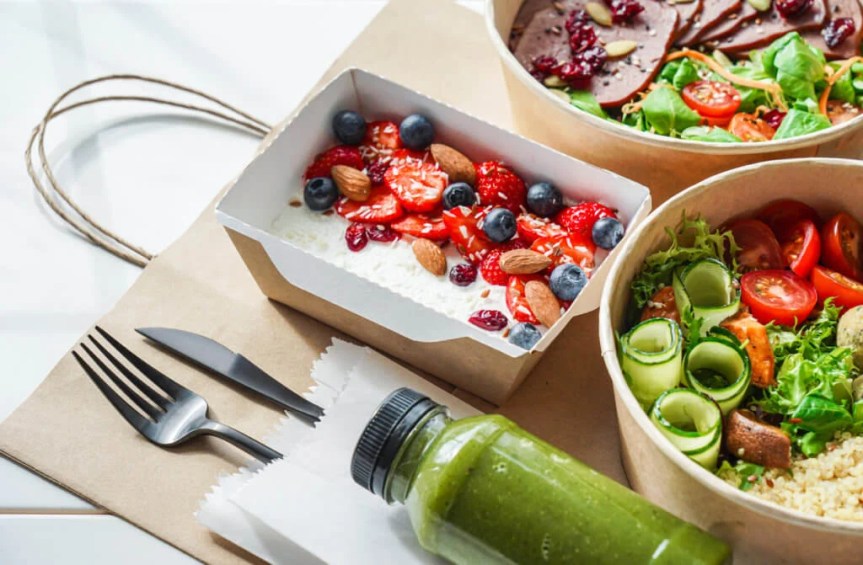
Introduction: Cultivating Calm Through the Culinary Arts
In a world often dictated by haste, the daily decision of what to eat can feel overwhelming. Between professional obligations, family responsibilities, and the ever-growing list of tasks, mealtimes frequently become reactive—an afterthought fueled by convenience rather than care. Yet, nestled within the modern rush lies an opportunity: the elegant and empowering practice of meal planning and preparation.
More than a time-saving tool, meal planning is an act of mindfulness. It’s the quiet confidence that comes from knowing your meals are aligned with your values—whether they be health, sustainability, or culinary exploration. When done with intention, this practice can restore harmony to your kitchen and grace to your plate.
Let us explore the art of meal planning, uncovering not only practical strategies but also the quiet beauty of preparing for the week ahead.
The Value of Planning Ahead: Why Meal Prep Matters
Meal planning is more than scribbling down a few dinner ideas. It’s a strategy that bridges nutrition, time management, and personal well-being. The advantages are tangible—and transformative.
Key Benefits of Meal Planning:
-
Nutritional Awareness
Planning allows you to balance macronutrients, incorporate diverse vegetables, and avoid reliance on processed foods. -
Time Efficiency
Knowing what’s for dinner eliminates the mental burden of decision fatigue, saving precious minutes daily. -
Financial Savings
With a structured shopping list, impulsive buys decrease and food waste dramatically reduces. -
Consistency and Simplicity
Rather than facing daily indecision, you flow through the week with a prepared mindset and a stocked refrigerator. -
Creative Expression
With the logistics handled, you have more room to enjoy the flavors, textures, and artistry of food.
Setting the Stage: Crafting Your Weekly Meal Plan
The best meal plans are not rigid, but responsive. They reflect your week’s rhythm, your dietary needs, and your personal preferences. Before picking recipes, consider your schedule and energy levels. A day with back-to-back meetings might require a slow-cooker meal, while a relaxed Sunday evening could allow for more elaborate culinary experiments.
Steps to Building a Thoughtful Meal Plan:
-
Survey Your Calendar
Identify busy days, social engagements, and time blocks available for cooking or prepping. -
Inventory Your Pantry & Fridge
Use up what you already have. A forgotten sweet potato or half-used lentils can inspire an entire dish. -
Define Your Meal Categories
Think in themes—grains, salads, soups, protein-forward mains. Choose 2–3 mains and 2–3 sides that can mix and match. -
Plan for Leftovers
Some dishes are even better the next day. Soups, curries, and roasted vegetables age beautifully. -
Write a Grocery List
Organize by categories (produce, grains, proteins, pantry staples), which streamlines shopping and avoids repeated aisles.
Mastering Meal Prep: A Symphony of Simplicity and Flavor
Meal prep does not require you to cook every dish in advance. In fact, the most sustainable approach involves preparing key components that can be used flexibly throughout the week. Think of it as mise en place for your life—ingredients ready to assemble, layer, and transform.
Essential Meal Prep Components:
-
Proteins
Roast a tray of chicken thighs, grill tofu, boil eggs, or make a batch of lentils. These form the backbone of balanced meals. -
Grains and Bases
Cook a large portion of brown rice, farro, or couscous. These grains offer warmth and texture to bowls and salads. -
Vegetables
Wash, chop, and roast an array of colorful vegetables. Store raw greens for salads and sautés. -
Dressings and Sauces
A lemon-tahini dressing, herbed yogurt sauce, or simple vinaigrette can elevate any basic dish. -
Snacks and Add-ons
Portion hummus, roasted nuts, or cut fruit into containers for quick, wholesome bites.
Storage Tips:
-
Use glass containers for visibility and durability
-
Label and date items to track freshness
-
Stack neatly by category for ease of access
Sample Weekly Menu: Versatility with a Touch of Elegance
| Day | Lunch | Dinner |
|---|---|---|
| Monday | Quinoa tabbouleh with roasted chickpeas | Grilled salmon with herbed couscous |
| Tuesday | Lentil and spinach soup | Tofu stir-fry with brown rice |
| Wednesday | Turkey and arugula wrap | Spaghetti with roasted cherry tomato sauce |
| Thursday | Greek salad with hummus and pita | Sweet potato curry with basmati rice |
| Friday | Leftover curry bowl | Homemade flatbread pizza or takeout |
This rotation balances protein, vegetables, and comfort. The components can be rearranged throughout the week, depending on appetite or time.
Refined Practices for Sustainable Success
The key to long-term success with meal planning is making the experience enjoyable and sustainable. Treat it as a lifestyle, not a fleeting trend.
Elegant Tips for Long-Term Meal Planning Joy:
-
Create Ambience While Cooking
Dim lighting, soft jazz, or an inspiring podcast can make prepping feel like a retreat, not a task. -
Batch Cook and Freeze
Soups, stews, and pasta sauces freeze well. Reserve them for busier weeks when cooking isn’t feasible. -
Use Seasonal Ingredients
Plan around what’s in season. It ensures better flavor and supports local agriculture. -
Rotate Themes
Incorporate cuisine-based days: Mediterranean Mondays, Thai Thursdays, or Pasta Fridays. It keeps the palate intrigued. -
Invite Others to Join
Meal planning can be a family activity. Ask partners or children to choose a dish each week.
Overcoming Common Pitfalls
Even the most organized meal planners occasionally hit roadblocks. Anticipating them can help you adapt gracefully.
Troubleshooting Tips:
-
Bored with the Menu?
Try a new cookbook or food blog. Introducing one new recipe each week can reinvigorate the experience. -
Ran Out of Time?
Keep a few nutritious frozen meals or pantry-friendly recipes for backup. -
Portion Misjudged?
Double recipes that reheat well. Extra servings provide easy lunches or a no-cook night.
Conclusion: Your Kitchen, Reimagined
Meal planning and preparation is not merely a tool for order—it is a gesture of care, an investment in well-being, and a statement of how you choose to move through your day. It empowers you to nourish intentionally, cook creatively, and live with greater ease. In reclaiming control over your meals, you reclaim moments of stillness, clarity, and grace.
Through the rhythms of planning and prepping, the kitchen becomes more than a workspace. It becomes a sanctuary—a place where simplicity meets satisfaction, and every meal is a quiet celebration of thoughtful living.

