

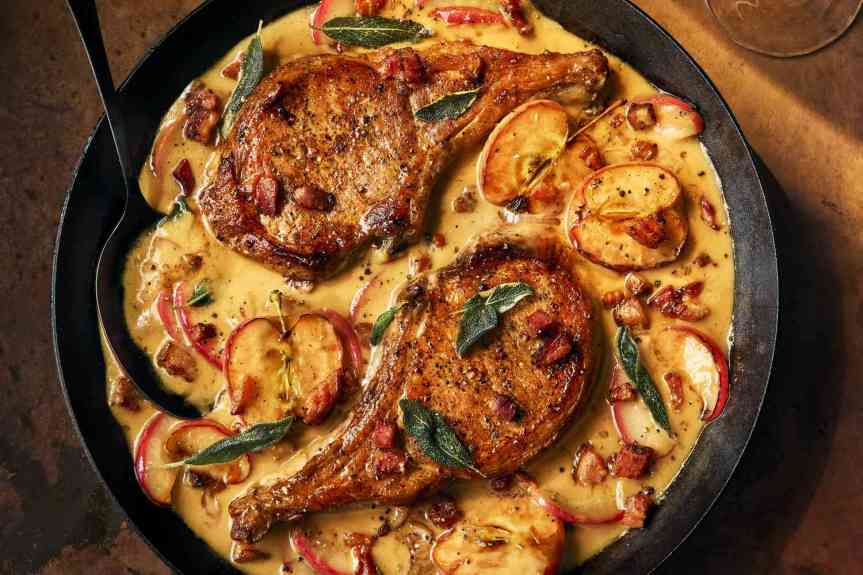
Introduction: The Soul of Every Dish
Behind every unforgettable dish is a well-crafted recipe—a blueprint of flavor, technique, and tradition. Recipes are more than culinary instructions; they are personal legacies, cultural tokens, and creative tools. Whether scribbled on a stained notecard, passed down orally from generation to generation, or digitized on global platforms, recipes reflect the heart and soul of cooking. They bridge past and present, offering structure while inspiring imagination. In a world that often celebrates spontaneity, the recipe remains a timeless reminder that great art, even in the kitchen, thrives on a thoughtful foundation.
The Evolution of Recipes Through Time
The concept of recipes is ancient, dating back to early civilizations. The oldest known recipes, written in cuneiform script on Babylonian tablets over 4,000 years ago, illustrate how early humans documented their approach to cooking for preservation and communication. In medieval Europe, recipes appeared in manuscripts written for aristocrats and monks. They often lacked measurements or cooking times, instead assuming familiarity with techniques.
With the rise of the printing press in the 15th century, cookbooks became more widely available, formalizing recipes with ingredients, quantities, and step-by-step instructions. Fast forward to the 21st century, and we find ourselves navigating countless digital repositories—blogs, apps, YouTube channels—where recipes are as abundant as they are diverse.
Key Milestones in Recipe Development
-
Ancient Civilizations: Early food preparation methods were documented for ceremonial and medicinal purposes.
-
Renaissance to Enlightenment: Recipes evolved into more systematic culinary documents, often including social etiquette.
-
Industrial Revolution: Ingredient accessibility improved, leading to standardized recipes and mass-market cookbooks.
-
Digital Era: The internet democratized recipe sharing, allowing cooks around the world to access, review, and modify global dishes instantly.
Anatomy of a Good Recipe
A well-written recipe doesn’t merely instruct—it empowers. It allows even a novice to reproduce a dish with confidence and grace. Yet a good recipe balances clarity with inspiration, precision with flexibility.
Components of an Effective Recipe
-
Title and Origin: A compelling title paired with a brief note on the recipe’s cultural or personal background sets the tone.
-
List of Ingredients: Presented in order of use, with specific quantities and preparation notes.
-
Step-by-Step Instructions: Clear, concise directions broken into logical stages, often including timing and temperature.
-
Sensory Cues: Descriptions such as “until fragrant,” “lightly golden,” or “soft to the touch” help guide intuitive cooking.
-
Tips and Substitutions: Alternative ingredients or variations ensure inclusivity and encourage personalization.
Recipes as Vessels of Culture
Cuisine is perhaps the most visceral expression of culture, and recipes are its vocabulary. They preserve not only ingredients and methods but also the history, migration patterns, and values of a people.
Cultural Narratives Through Food
-
Indian Thali: A balanced plate reflecting Ayurvedic principles and regional tastes, often tied to festivals and rituals.
-
Italian Risotto: A product of patience and technique, telling stories of northern Italian agriculture and community.
-
Mexican Mole: A labor-intensive sauce that combines indigenous ingredients and colonial influence, symbolizing fusion.
-
Japanese Kaiseki: A multi-course, seasonal meal that illustrates mindfulness, aesthetics, and the spirit of hospitality.
By following a recipe, one doesn’t merely cook a meal—they participate in a cultural dialogue that transcends geography and time.
Recipes and the Creative Spirit
Though recipes may appear prescriptive, they are also springboards for creativity. A confident cook uses recipes as frameworks, adapting them based on taste, dietary restrictions, or available ingredients. Some of the world’s most iconic dishes emerged from improvisation—necessity driving innovation.
Encouraging Creativity in the Kitchen
-
Flavor Substitution: Replace basil with mint, swap out heavy cream for coconut milk, or use tofu instead of paneer.
-
Texture Variation: Add crunch with roasted seeds or nuts, or bring creaminess with yogurt or avocado.
-
Seasonal Focus: Let what’s fresh and local dictate the recipe’s direction.
-
Plating and Presentation: Turn a simple dish into visual art through color contrast, symmetry, and garnish.
Creativity is often born from confidence, and a well-written recipe builds that very foundation.
The Intimacy of Handed-Down Recipes
There is something sacred about receiving a recipe from a parent, grandparent, or close friend. It often arrives with smudges, shorthand notes, and a certain reverence. These aren’t just instructions—they are memories preserved in edible form.
Emotional Significance of Family Recipes
-
Connection: Cooking a grandmother’s soup during a rainy day feels like sharing a moment with her, even years after her passing.
-
Identity: Family recipes help children understand their heritage and create a tangible link to their ancestry.
-
Tradition: Whether it’s a Diwali sweet, a Christmas roast, or Eid biryani, these recipes anchor celebrations with familiarity and joy.
Compiling these treasures into family cookbooks or digital archives ensures they’re never lost to time.
The Role of Recipes in Modern Lifestyles
In today’s fast-paced world, the relationship with food is increasingly transactional. Yet recipes offer an antidote to this rush—a moment to slow down, measure, taste, and reflect. They’re tools for mindfulness, self-care, and community building.
Modern Applications of Traditional Recipes
-
Meal Planning and Nutrition: Recipes help structure balanced diets, particularly for families and those with dietary goals.
-
Learning and Skill Building: Following increasingly complex recipes improves knife skills, timing, and palate development.
-
Social Connection: Recipe-sharing groups, cooking classes, and food blogs build communities around shared passions.
In a world of convenience foods and take-out apps, returning to the ritual of following a recipe can be profoundly grounding.
Conclusion: Recipes as Lifelong Companions
A recipe is never just a list—it is a dialogue between the past and present, between the cook and the dish. It’s a collection of choices and possibilities, designed not just to be followed, but to be felt, questioned, and evolved. Recipes help us remember, they help us create, and they help us connect.
From humble beginnings in ancient clay tablets to digital PDFs and TikTok reels, the essence of recipes remains unchanged. They guide us gently toward nourishment, both physical and emotional. In the kitchen, where the clatter of pans and the aroma of spices fill the air, a recipe waits quietly—ready to transform raw ingredients into something unforgettable.
So whether you’re revisiting a family heirloom or trying your hand at something bold and new, honor the recipe. It’s more than a method—it’s a story waiting to be told through your hands.

