

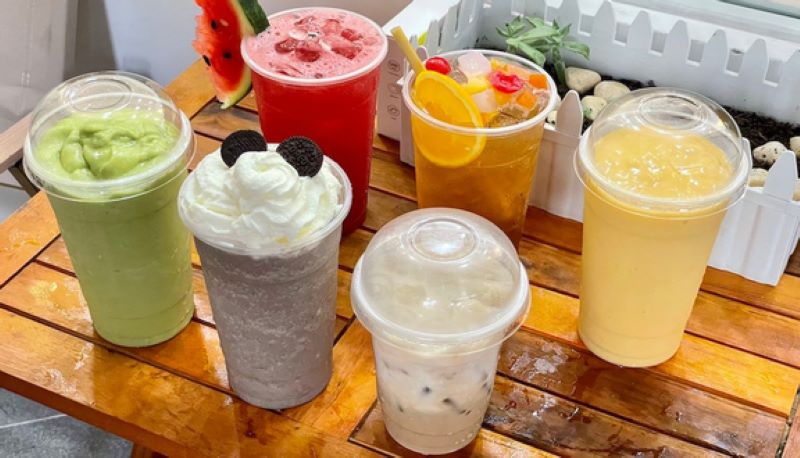
Introduction: The Art and Essence of Beverages
A drink is never just a drink. It is a cultural emblem, a sensory pleasure, a vessel of comfort, and, at times, an embodiment of celebration or ritual. Beverages have the unique power to bring people together, spark conversations, and elevate moments. Whether it’s a freshly brewed espresso in the early morning or a glass of vintage wine at dusk, drinks are deeply woven into the human experience.
The world of beverages, vast and ever-evolving, spans a rich spectrum—from the simplicity of water to the complexity of craft cocktails. In this article, we explore the history, diversity, trends, and social role of beverages, with a focus on their elegance, variety, and timeless appeal.
A Glimpse into History: The Origins of Human Thirst
Humanity’s relationship with beverages dates back thousands of years. From necessity to indulgence, drinks have journeyed alongside civilization.
-
Ancient beginnings: Archaeological findings suggest that as early as 7000 BCE, humans in China were fermenting drinks from rice, honey, and fruit. In ancient Mesopotamia and Egypt, beer and wine held ceremonial, medicinal, and social significance.
-
Tea and coffee traditions: Tea, originating in China, became central to both Eastern ceremonies and British colonial culture. Coffee, first cultivated in Ethiopia, later became a staple of intellectual circles during the Enlightenment.
-
Global influence: Colonialism and trade routes introduced sugar, cacao, spices, and exotic fruits to new regions, forever transforming the beverage landscape.
Drinks have always been more than sustenance—they are cultural expressions that reflect geography, tradition, and innovation.
Classification of Beverages: A Universe of Flavors
Beverages can broadly be classified into non-alcoholic and alcoholic categories, each offering its own blend of functionality and indulgence.
Non-Alcoholic Beverages
This category encompasses both essential hydration and artisanal wellness products, catering to every lifestyle.
-
Water: The most vital drink, water now comes in designer variations—mineral-rich, alkaline, and even oxygen-infused varieties.
-
Tea: With infinite blends and brews, tea ranges from the earthy notes of pu-erh to the floral finesse of jasmine. It remains one of the most consumed and revered beverages worldwide.
-
Coffee: From bold espressos to creamy lattes, coffee is both ritual and necessity for millions. Specialty beans and brewing methods continue to elevate the experience.
-
Juices and smoothies: Cold-pressed, antioxidant-rich, and often plant-based, these drinks serve both refreshment and nutrition.
-
Soft drinks: While traditional sodas remain popular, the market has diversified with healthier alternatives such as sparkling botanicals and fruit-infused spritzers.
-
Functional beverages: These include drinks enriched with vitamins, probiotics, nootropics, or adaptogens—blending wellness with taste.
Alcoholic Beverages
The world of alcohol is steeped in heritage, precision, and craftsmanship.
-
Wine: A symbol of elegance, wine is distinguished by grape variety, terroir, and vintage. From bold reds to delicate whites, each bottle offers a narrative of place and time.
-
Beer: Once a staple of working-class pubs, beer has undergone a renaissance. Craft breweries now offer an expansive range, from citrusy IPAs to barrel-aged stouts.
-
Spirits: Distilled drinks such as whisky, gin, rum, and vodka are the backbone of both simple sips and intricate cocktails.
-
Cocktails: This subcategory has evolved into a refined art form. Modern mixologists combine unusual ingredients, molecular gastronomy, and visual aesthetics to reimagine classic recipes.
The Rise of Wellness and Conscious Drinking
Today’s consumers seek more than just taste—they want purpose, purity, and personalization. Wellness-oriented beverages are no longer niche but mainstream.
-
Plant-based milks: Almond, oat, soy, and coconut milks now dominate cafés and kitchens, offering dairy-free versatility with environmental benefits.
-
Fermented options: Kombucha, water kefir, and switchel provide probiotics and digestive support, wrapped in fizzy refreshment.
-
Hydration innovations: Electrolyte waters, herbal infusions, and vitamin-enhanced drinks cater to fitness-conscious lifestyles.
-
Low- and no-alcohol options: With the rise of sober curiosity, non-alcoholic spirits, wines, and mocktails are gaining popularity in high-end bars and restaurants.
Craftsmanship and Creativity: The Art of the Pour
Beverages are now celebrated not only for flavor, but for the skill and storytelling behind their creation. The return to craftsmanship is shaping everything from café culture to cocktail menus.
-
Third-wave coffee: Focused on sustainability, quality, and origin, this movement treats coffee as a curated experience—where a pour-over or Chemex brew is as deliberate as a fine wine tasting.
-
Natural wines and low-intervention winemaking: These wines embrace wild yeasts, minimal additives, and honest expressions of the vineyard.
-
Boutique distilleries: Local gin and whisky makers are exploring unique botanicals, native grains, and experimental aging methods.
-
Experimental mixology: From smoked infusions to edible garnishes, bartenders are blending culinary arts with liquid innovation.
Beverages as Social Rituals and Cultural Symbols
Drinks have long played a central role in hospitality and human connection. They help mark time, ease conversation, and set the tone of a gathering.
-
Rituals: The Japanese tea ceremony, the Irish pub pint, the Turkish coffee fortune-telling—all reveal the deeply rooted social roles of beverages.
-
Celebration: Champagne toasts, wedding cocktails, New Year’s Eve flutes—drinks are woven into life’s most memorable moments.
-
Comfort and routine: A cup of hot cocoa on a rainy evening or a morning green smoothie offers emotional grounding as much as physical nourishment.
Sustainability and Ethical Consumption
Modern beverage consumers are also conscious of how their drinks impact the world. Environmental responsibility and ethical production are now key considerations.
-
Fair trade and direct sourcing: Particularly in the coffee and tea industries, ethical practices ensure that growers and harvesters are paid fairly.
-
Eco-conscious packaging: Aluminum cans, glass bottles, and biodegradable materials are replacing plastic, while some brands offer refillable containers.
-
Local sourcing: Farm-to-glass is becoming a movement of its own, with bars and cafés sourcing ingredients directly from nearby producers to reduce carbon footprints.
The Future of Beverages: Innovation Meets Intention
What lies ahead in the world of drinks? The convergence of technology, sustainability, and personalization is shaping a future where beverages are smarter, healthier, and more meaningful.
-
AI-powered drink customization: Smart machines that analyze your preferences and health data to recommend or create your perfect beverage.
-
Fusion drinks: Beverages that blend global traditions—matcha colas, turmeric tonics, or elderflower-infused sparkling teas—are expanding palates.
-
Zero-proof culture: Sophisticated non-alcoholic bars and social spaces are redefining nightlife and socializing for a new generation.
Conclusion: In Every Sip, a Story
Drinks and beverages are far more than thirst-quenchers. They are cultural cornerstones, sensory adventures, and personal rituals. Whether imbibed in solitude or shared in celebration, every glass holds layers of history, intention, and creativity.
In a world increasingly defined by speed and complexity, the simple act of enjoying a well-crafted drink reminds us to pause, taste, and savor. So the next time you lift your glass—whether it holds spring water or barrel-aged bourbon—know that within it lies not just flavor, but a reflection of who we are and what we value.

